
The Gentle Transition: Safely Switching Your Pet's Food
The Gentle Transition: Safely Switching Your Pet's Food
Switching your dog or cat to a new food is a common scenario, whether you’re transitioning a puppy or kitten to adult food, accommodating a new health need, seeking better nutrition, or just changing brands. However, rushing this process can lead to digestive upset, think vomiting, diarrhea, or a refusal to eat the new meal.
A safe and successful food change hinges on one key principle: slow and steady wins the race. Your pet’s digestive system, particularly the gut microbiome, needs time to adjust to the new blend of ingredients, protein sources, and fiber content. A sudden change is a shock that often results in stomach distress.
The 7-Day Transition Plan
A full, gradual transition should ideally take at least seven days, though pets with sensitive stomachs may benefit from an even slower, 10-14 day schedule. Here is the standard guideline:
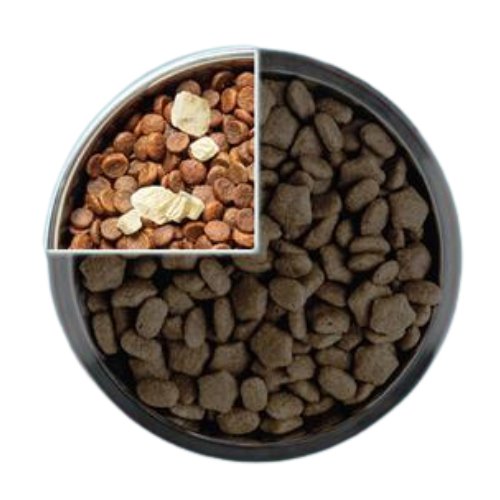
Days 1 & 2
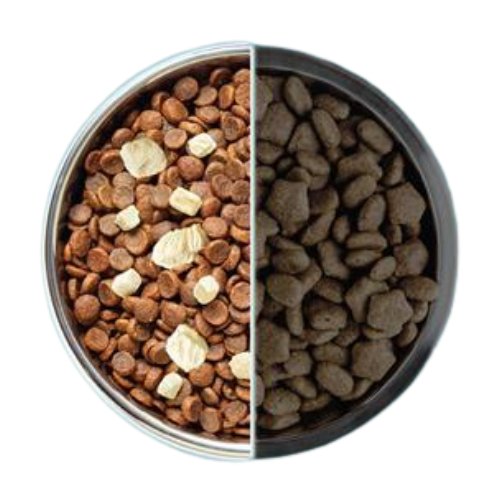
Days 3 & 4
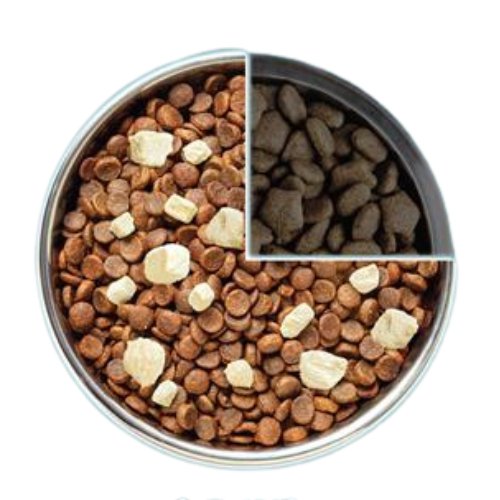
Days 5 & 6
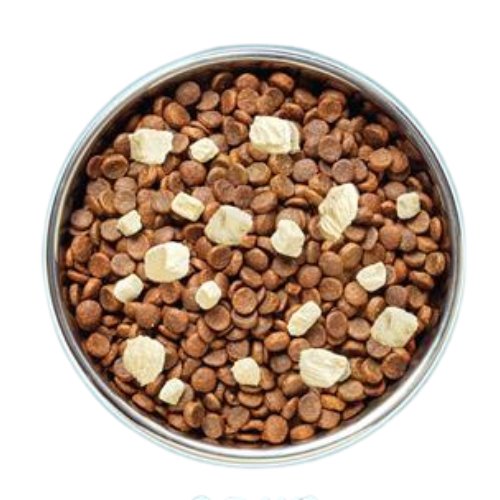
Days 7 +
Important Note: Mix the old and new food thoroughly in the bowl to prevent your pet from simply picking out the familiar kibble.
Monitor and Adjust: What to Watch For
During this transition, you need to become a keen observer of your pet’s bathroom habits and general demeanor.
- Stool Consistency: This is your primary indicator. Their poop should remain well-formed. If you notice soft stools, mushiness, or full-blown diarrhea at any point (e.g., on Day 3), stop the transition immediately and revert to the previous day’s ratio or even 100% of the old food. Wait for the stool to normalize, and then restart the transition at a slower pace.
- Appetite and Behavior: Watch for loss of appetite or unusual lethargy. If your pet refuses to eat the new food mixed in, you may need to go back to the drawing board to find a more palatable option.
- Vomiting: While rare with a slow transition, any vomiting is a sign of intolerance. Consult your vet if this occurs.
Tips for a Smooth Switch
- Consult Your Vet First: If you are changing food due to health issues, allergies, or a required prescription diet, always discuss the switch with your veterinarian. They can recommend the best food and guide the transition timeline.
- Maintain Consistency: Keep the feeding schedule (time and location) the same. Only the food mixture should change, not the routine.
- Consider Digestive Aids: For pets with historically sensitive stomachs, your vet might recommend a probiotic supplement during the transition period to help support the gut microbiome.
- Buy a Small Bag: Before investing in a giant, economy-sized bag, purchase a small bag or sample of the new food. This minimizes waste if your pet genuinely doesn’t like it.
By dedicating a full week to this simple, measured approach, you ensure your beloved companion receives the full nutritional benefit of their new diet without the discomfort of an unhappy tummy. A little patience now means a healthy, happy pet later!