
How to Check for Dehydration in Dogs and Cats
Dehydration can sneak up quickly in both dogs and cats, especially during hot weather, after vigorous play, or when they’re ill. Because pets can’t tell us how they’re feeling, it’s important to know the early signs and simple at-home checks you can perform to catch dehydration before it becomes serious.
Why Dehydration Happens
Pets lose fluids through panting, breathing, urinating, and normal bodily functions. When they’re sick—with vomiting, diarrhea, or fever—the loss increases dramatically. Cats, in particular, are notorious for drinking less water than they should, which can make dehydration harder to spot. Early detection helps prevent kidney issues, electrolyte imbalances, and other complications.
Key Signs of Dehydration
- Keep an eye out for these common symptoms:
- Lethargy or unusual tiredness
- Dry or sticky gums
- Excessive panting (dogs)
- Sunken eyes
- Loss of appetite
- Reduced skin elasticity
While none of these signs alone confirm dehydration, together they paint a clearer picture of your pet’s hydration status.
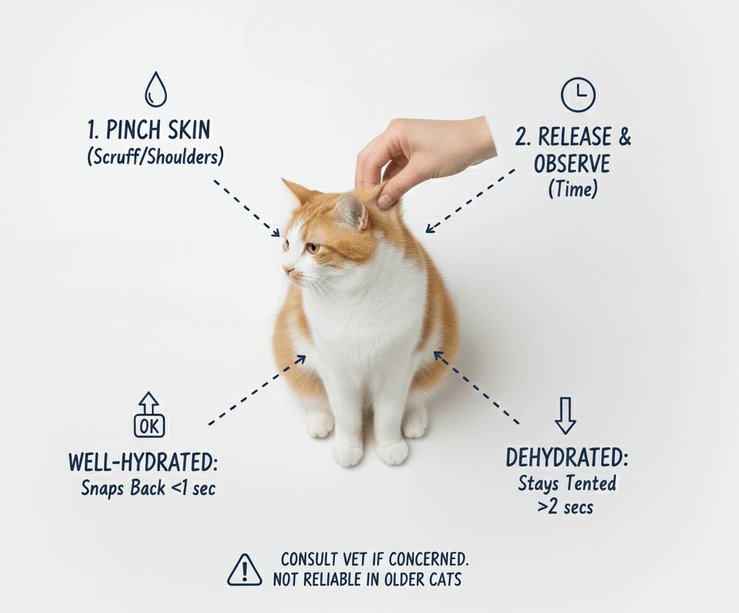
How to Perform a Skin Turgor Test
This is one of the easiest ways to check hydration at home. Gently pinch and lift the skin between your pet’s shoulders.
Release it and watch how fast it returns to place.
In a well-hydrated animal, the skin snaps back quickly. If it returns slowly, or stays tented, your pet may be dehydrated. Keep in mind that older pets or very thin animals may have less elastic skin, so the test may be less reliable.
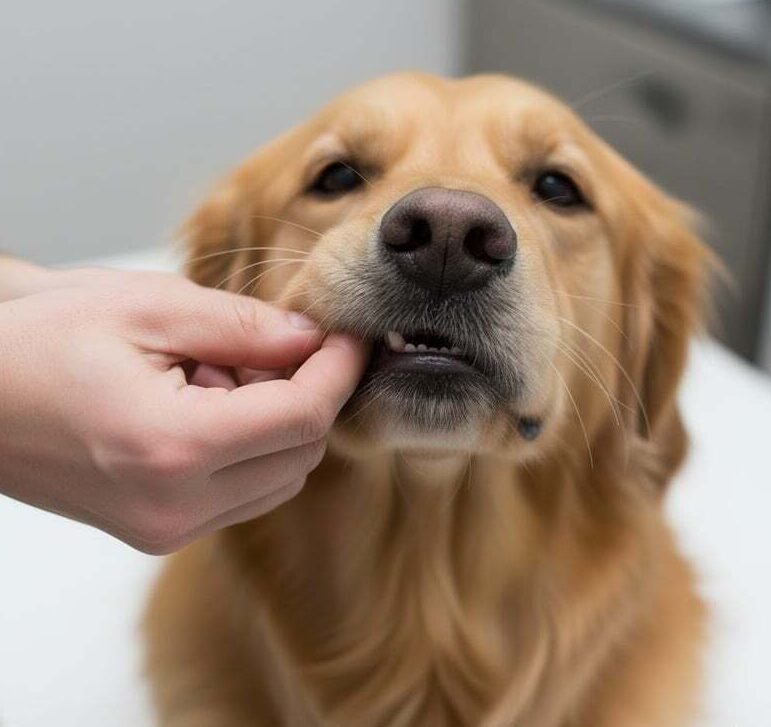
Check the Gums
Moisture tells you a lot about hydration:
Lift your pet’s lip and touch their gums. Healthy gums should feel moist and smooth, not dry or tacky.
Pale, dry, or cold gums may signal dehydration or other medical issues.
This test works well for both dogs and cats, though some cats may need a little gentle coaxing.
Monitor Water Intake and Behavior
A sudden drop in water consumption, refusal to drink, or increased panting during hot weather are red flags. Cats that hover around their water bowl without drinking or dogs that seem disinterested in water after exercise may need attention.
When to See a Veterinarian
Mild dehydration may improve with fresh water and rest, but persistent symptoms, illness-related dehydration, or any signs of worsening require veterinary care. Severe dehydration can be life-threatening and may need fluid therapy at a clinic.
By staying observant and performing simple checks, you can help keep your dog or cat safe, comfortable, and well-hydrated year-round.